

How we brew
Technology
Craft and technology
From the very start, Browar Górniczo-Hutniczy was designed as craft brewing joined with modern technology. At the heart of the brewery is a professional installation by the German company Kaspar Schulz of Bamberg, one of the most experienced makers of brewing technology in the world.
BGH is a brewpub, but in technological terms it is a small, complete production plant. The process covers water treatment, wort brewing, fermentation, maturation, laboratory control, packaging and dispense carried out under controlled refrigeration.
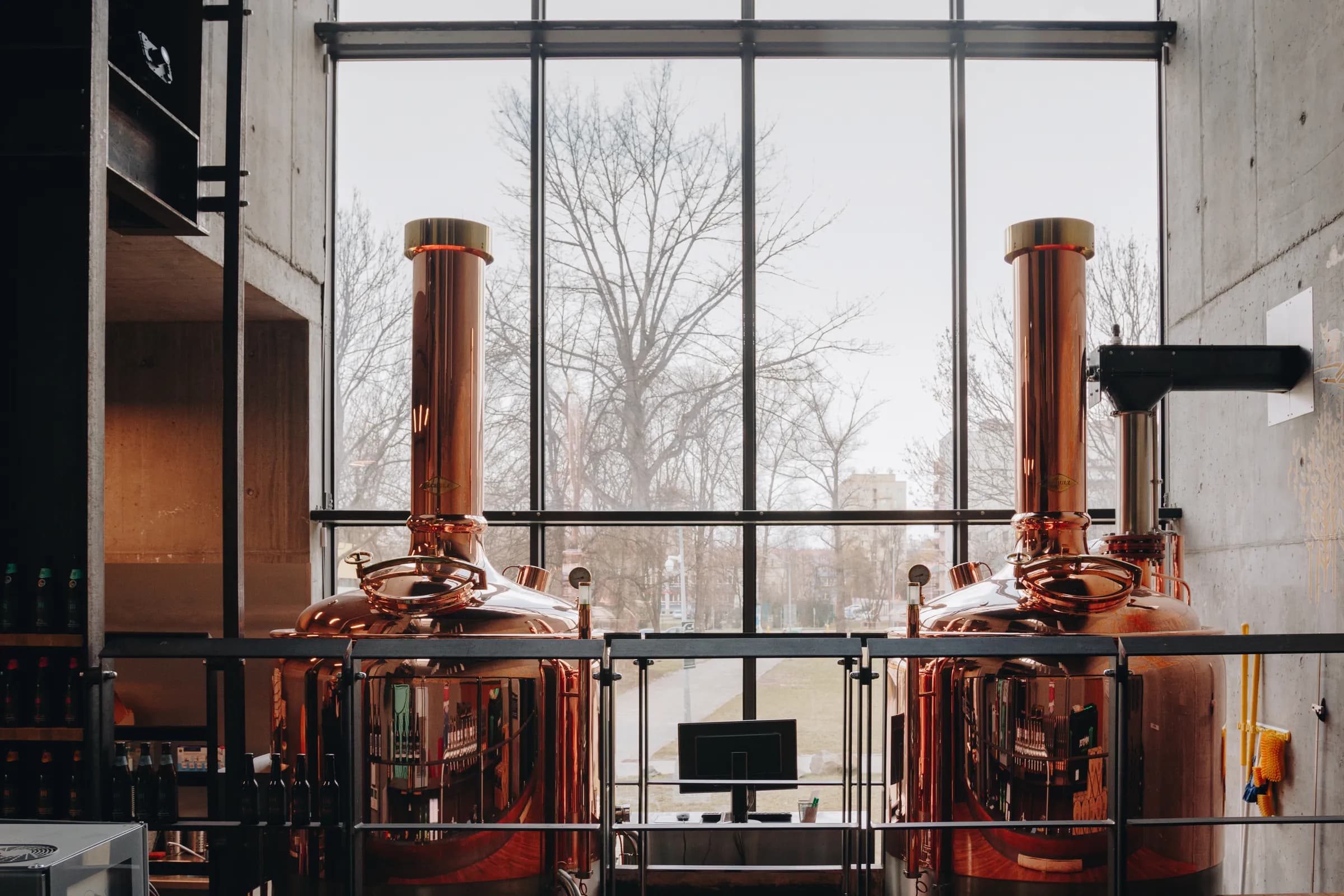
Brewhouse
The Kaspar Schulz brewhouse
At the centre of the BGH installation stands a two-vessel Kaspar Schulz brewhouse of the Brauhaus type, with a nominal cast-out of 10 hl — around 1000 litres of wort in a single production cycle.
The installation is a set of vessels that carry out mashing, boiling and wort filtration. Heating is done with steam, and the system is completed by a whirlpool function that separates the trub once the wort boil is over.
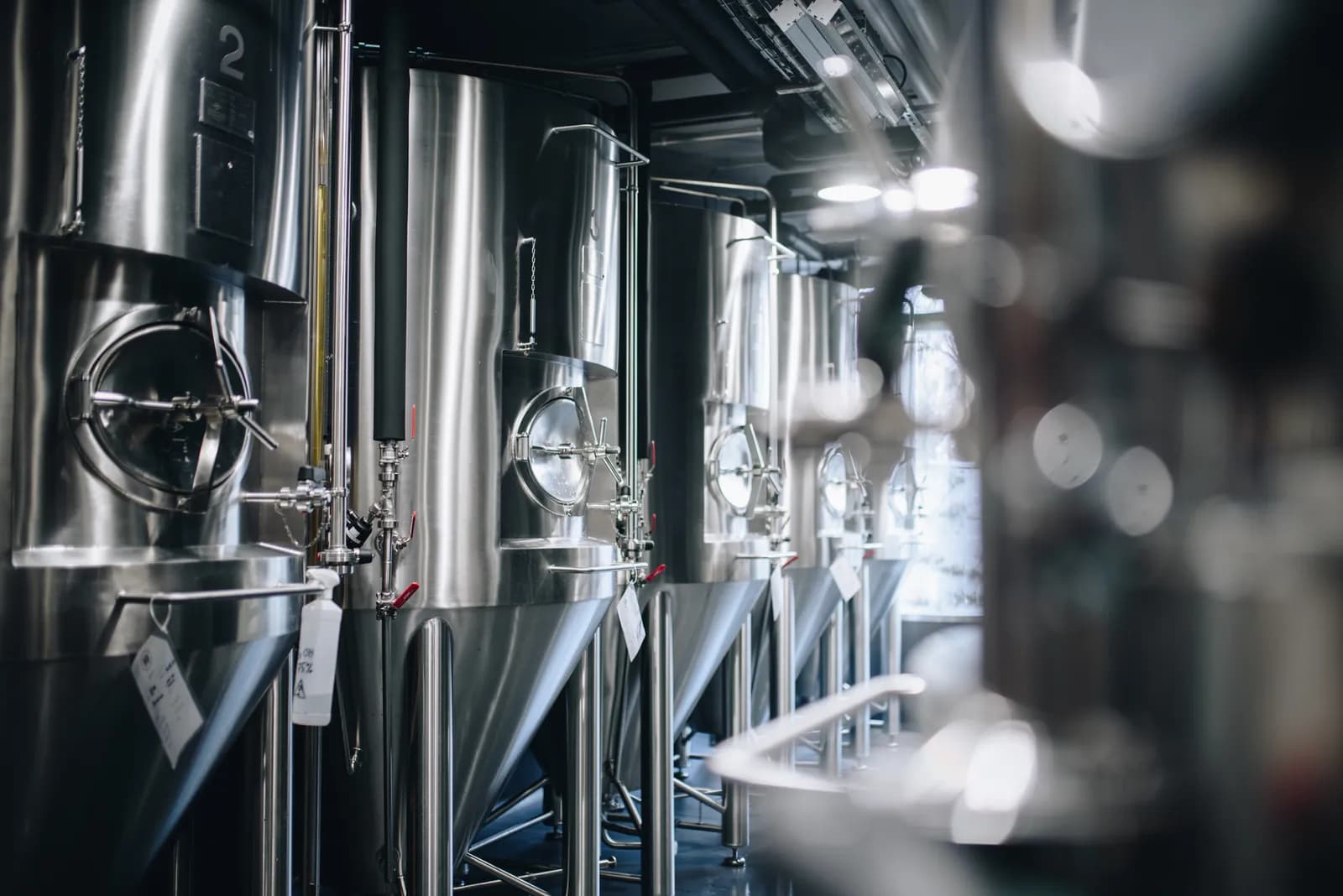
Tanks
Fermentation and maturation
One floor below the brewhouse is the fermentation and maturation area — the place where wort becomes beer.
The installation is based on 10 cylindroconical fermentation and maturation tanks of 20 hl each. Tanks built this way allow fermentation and further maturation of the beer to run under controlled conditions. In 2025 the BGH production facilities were extended with an additional 40 hl tank.
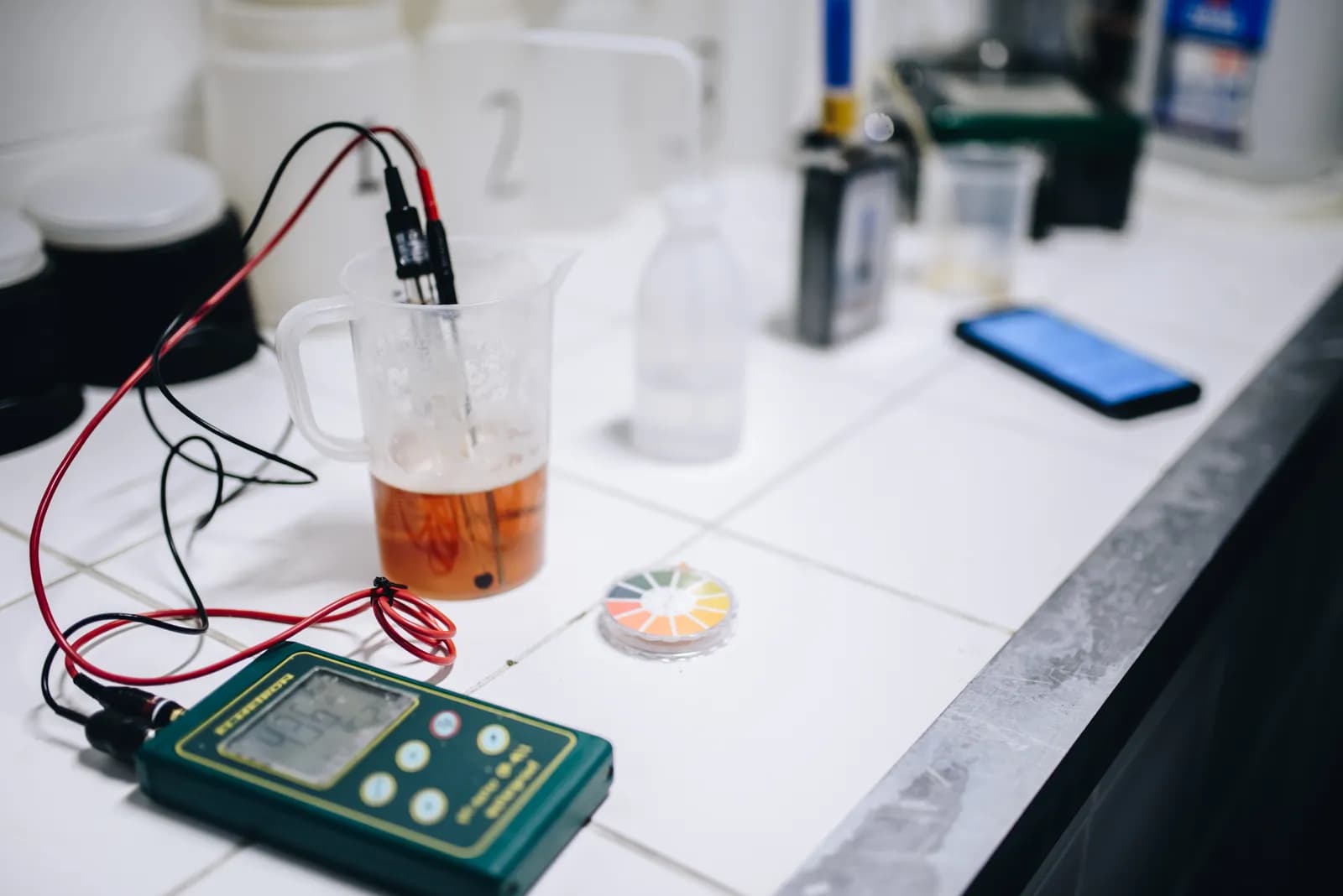
Consistency
Quality control and laboratory
The consistency of a beer is not judged by tasting alone. BGH has its own facilities for ongoing control of the basic process parameters and works with the Kraków Brewing School, which tests samples of the beers on a regular basis.
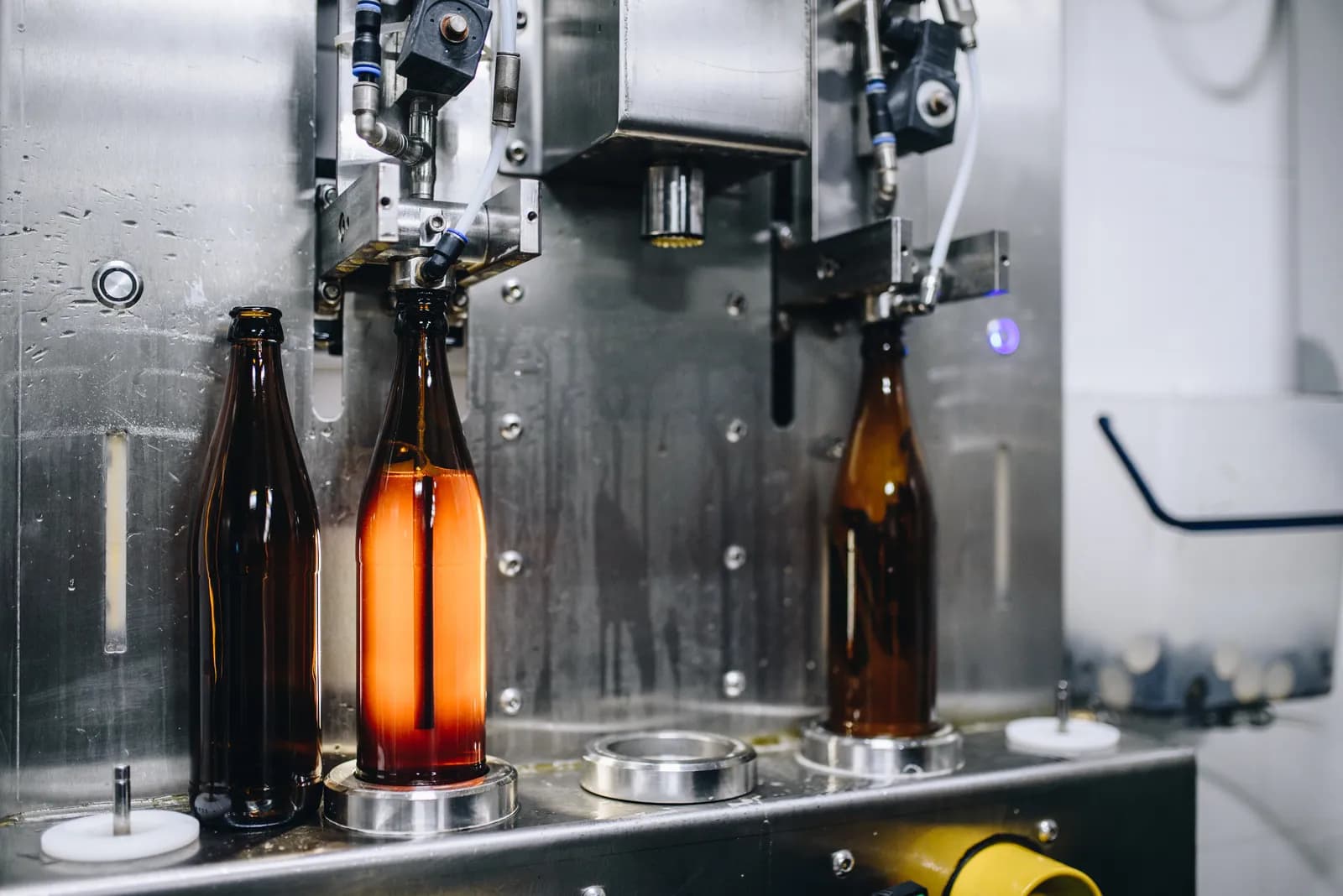
Bottles and kegs
Packaging
Finished beer can leave the production area in several formats. BGH has equipment for filling beer into bottles and kegs. In 2025 the packaging area was extended with a new machine that speeds up filling into 2 l swing-top bottles and 5 l kegs.

Cold room
Dispense
BGH technology does not end when production is over. How the finished beer is stored and dispensed is an important part of the system. Beer intended for current dispense is kept in a cold room held at around 3°C.
The beer line stays chilled along the whole route between tank and tap, which limits changes in the beer's temperature before it is served.
In the current configuration, dispense can run from:
- 4 × 20 hl serving tanks
- 4 × 10 hl bag-in-tank vessels
- 30 l kegs
AGH
Technology, science and education
BGH stands on the campus of the AGH University of Krakow, which makes the brewery's installation more than a production tool.
The brewery takes part in research projects and in teaching and training work around fermentation technology and brewing. Among other things, BGH has been the subject of production-process research carried out by an AGH staff member, a stop for technical visits organised as part of the School of Fermentation Technology, and the base for hands-on training in water technology.
Materials from the brewery have also been used in scientific research — among others in work on brewing low-alcohol beers and on putting brewers' spent grain to use.